
Choosing the right fabric can completely change how a dress looks, feels, and performs throughout the day. A beautiful design may lose its appeal if the material is too stiff, too warm, or difficult to move in. This is especially important when selecting trending dresses for girls, because modern styles often combine fashion with comfort, movement, and practical everyday wear. 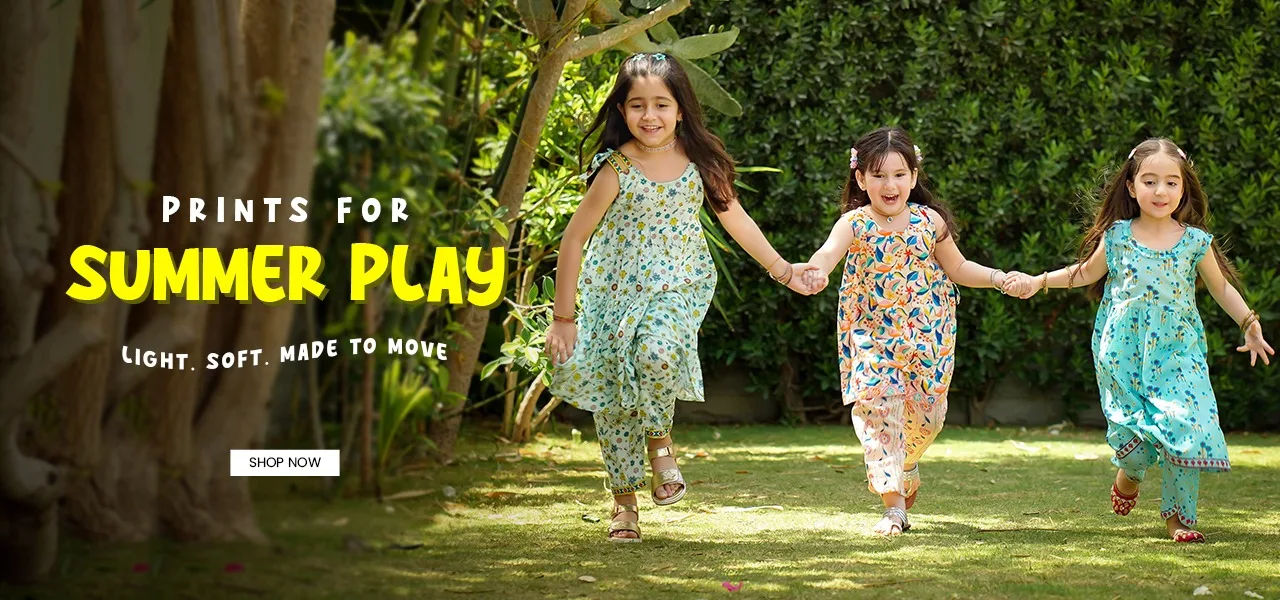 Fabric affects almost everything about a dress.
It determines how the outfit falls, whether the skirt looks full or soft, how well decorative details stand out, and how comfortable the wearer feels after several hours. Seasonal weather also matters. A fabric that works wonderfully for a winter party may feel uncomfortable during a warm summer afternoon.
For parents and young shoppers, the best choice is usually a balance between appearance and practicality. Trending dresses for girls are available in cotton, linen, lawn, chiffon, satin, velvet, georgette, denim, jersey, tulle, and many blended materials. Each fabric creates a different look, so understanding their characteristics makes shopping much easier.
Why Fabric Matters in Modern Girls' Dresses
The fabric is not simply the background of a dress design. It is part of the design itself.
A lightweight fabric can make a dress appear airy and playful. A structured material can create a polished silhouette. Soft fabrics can make casual clothing feel relaxed, while shiny materials can make an outfit suitable for celebrations.
Comfort is equally important. Girls may wear dresses to school events, family gatherings, birthday parties, weddings, vacations, or casual outings. Clothing that looks attractive but restricts movement can quickly become frustrating.
Fabric also affects maintenance. Some materials can be washed easily at home, while others require careful handling or professional cleaning. For children's clothing, this difference can be surprisingly important.
Cotton for Comfortable Everyday Dresses
Cotton remains one of the most practical fabrics for girls' clothing. It is breathable, relatively easy to maintain, and comfortable against the skin.
Cotton dresses work particularly well in warm weather. The material allows air to circulate and generally feels less heavy than many synthetic alternatives.
For everyday trending dresses for girls, cotton can be used in many ways. Simple cotton frocks can have printed patterns, embroidery, ruffles, gathered skirts, or decorative sleeves.
Printed Cotton
Printed cotton is useful for casual outfits because it can create a stylish appearance without requiring heavy decoration.
Floral prints, small geometric designs, checks, stripes, and playful motifs can all work well. The print can also determine how formal or casual the dress appears.
Cotton Blends
Cotton blended with another fiber can provide additional structure, stretch, or durability. These blends are often useful when a dress needs to retain its shape while remaining comfortable.
Lawn and Lightweight Fabrics for Warm Weather
In hot climates, lightweight fabrics are especially useful. Lawn is a popular choice for summer clothing because it is light, breathable, and comfortable.
Lawn can be particularly suitable for loose dresses, frocks, tunic-style outfits, and coordinated sets. Its lightweight character makes it practical for warm afternoons and outdoor activities.
When choosing trending dresses for girls for hot weather, look beyond color and design. A fashionable silhouette made from a heavy material may be less comfortable than a simpler dress made from breathable lawn.
The quality of lightweight fabric also matters. Very thin materials may require lining, especially when the dress is made in a pale shade.
Linen for a Natural, Relaxed Look
Linen has a distinct texture and a naturally relaxed appearance. It is breathable and works well in warm conditions.
Linen dresses can look sophisticated without relying on excessive decoration. Neutral colors, soft pastels, earthy shades, and simple cuts often complement the texture of the material.
One drawback is that linen wrinkles easily. Some parents may appreciate the relaxed appearance, while others may prefer a fabric that stays smooth throughout the day.
Linen blends can provide a practical middle ground. They can retain some of linen's breathable character while reducing wrinkling.
Chiffon for Party and Occasion Dresses
Chiffon creates a light and flowing appearance. It is often used for special-occasion clothing because it gives dresses movement and softness.
It works well for overlays, sleeves, skirts, scarves, and layered designs. A chiffon skirt can move beautifully while walking, making it useful for party dresses.
However, chiffon is usually not ideal as the only fabric for every children's dress. It can be delicate and may need lining for comfort and coverage.
For trending dresses for girls intended for weddings or formal celebrations, chiffon can add an elegant layer without making the outfit appear excessively heavy.
Satin for a Dressy Appearance
Satin is known for its smooth surface and noticeable shine. It immediately gives a dress a more formal appearance.
Satin can work well for birthday outfits, holiday dresses, wedding events, and evening occasions. Its surface reflects light, which can make colors appear richer.
The challenge is comfort and maintenance. Some satin fabrics can feel less breathable than cotton or linen. They can also show wrinkles, marks, or creases more clearly.
For this reason, satin is often better suited to occasion wear than everyday clothing.
Velvet for Cooler Weather
Velvet has a soft, dense surface and naturally creates a luxurious appearance. It is particularly suitable for autumn and winter dresses.
A velvet dress can look stylish even when the design itself is relatively simple. Deep colors and jewel tones often work especially well with the texture.
Because velvet is heavier and warmer, it may not be appropriate for hot weather. It can also require more careful cleaning than everyday cotton.
For winter celebrations, however, velvet can make trending dresses for girls look rich and festive while providing additional warmth.
Georgette for Flowing Designs
Georgette is another fabric associated with flowing, feminine silhouettes. It has more texture than smooth chiffon and can create attractive movement.
It works well in layered dresses, sleeves, skirts, and occasion outfits. The material can also hold decorative details without appearing overly rigid.
As with chiffon, the exact construction matters. A lightweight georgette dress may need lining to improve comfort and coverage.
Tulle for Volume and Playful Styles
Tulle is lightweight and net-like, making it especially useful when a dress needs volume.
It is commonly used for layered skirts, ballet-inspired designs, party dresses, and decorative overlays. Several layers of tulle can create a dramatic skirt without using a heavy material.
Because tulle can feel rough against sensitive skin, it is often best used as an outer layer rather than directly against the body.
A soft lining can make a significant difference. This small construction detail can turn an attractive dress into one that is actually comfortable to wear.
Jersey for Stretch and Movement
Jersey is a flexible knitted fabric that works well for casual clothing. Its stretch makes it comfortable for active children.
Jersey dresses are useful for everyday activities because they allow movement. Girls can sit, walk, play, and move around without feeling restricted.
The material is also available in different weights. Lightweight jersey can work in warm weather, while thicker versions can be useful during cooler seasons.
For casual trending dresses for girls, jersey is a practical choice when comfort and flexibility are priorities.
Denim for Casual Fashion
Denim is strongly associated with casual fashion. It can be used for shirt dresses, pinafore dresses, overall-style outfits, and structured casual designs.
Lightweight denim is generally more suitable for children's dresses than very heavy denim because it provides structure without unnecessary weight.
Denim can also be paired with other materials. A denim bodice combined with a softer skirt can create an interesting balance between structure and movement.
Organza for Structured Occasion Wear
Organza is lightweight but relatively crisp. Unlike soft flowing fabrics, it can hold its shape and create a more structured appearance.
It is often used for sleeves, bows, overlays, and formal skirts. It can also add volume without requiring extremely heavy construction.
Organza is better suited to special occasions than everyday wear because its texture and care requirements may not be ideal for frequent use.
Choosing Fabric According to the Season
Season should be one of the first considerations when choosing fabric.
Spring
Spring allows more flexibility. Cotton blends, lawn, lightweight linen, jersey, and soft woven fabrics can all work well.
Layering is also useful because temperatures may change throughout the day.
Summer
Breathability becomes the priority. Cotton, lawn, lightweight linen, and suitable cotton blends are practical choices.
Loose silhouettes are also helpful because they allow air movement around the body.
Autumn
Medium-weight cotton, denim, jersey, and selected blends can provide additional coverage without becoming excessively warm.
Winter
Velvet, heavier jersey, wool blends, corduroy, and layered fabrics can provide warmth. Dresses can also be paired with tights, leggings, cardigans, or jackets.
The best trending dresses for girls during colder months should look fashionable while still being appropriate for the temperature.
Matching Fabric to the Dress Style
The shape of a dress should influence fabric selection.
A flowing maxi dress usually benefits from a material that drapes naturally. Chiffon, georgette, rayon, or lightweight blends may work well.
A structured party dress may require a fabric with more body. Organza, taffeta, or structured blends can help create a defined silhouette.
A casual shirt dress can work with cotton, denim, linen blends, or jersey.
A layered party dress may combine several materials. For example, a cotton lining can provide comfort while tulle or chiffon creates the outer appearance.
This shows why there is no single fabric that works for every dress. The ideal choice depends on the intended silhouette and purpose.
Fabric Choices for Sensitive Skin
Comfort becomes even more important when clothing will be worn directly against the skin.
Soft cotton is often a practical starting point. Smooth linings can also prevent decorative outer materials from rubbing against the skin.
Avoid focusing entirely on visual appeal. Sequins, stiff netting, rough lace, and scratchy embellishments can make an otherwise beautiful dress uncomfortable.
Check seams, waistbands, armholes, and necklines before buying. These areas can cause irritation even when the main fabric feels soft.
Considering Durability and Maintenance
Children's clothing can experience considerable wear. Dresses may encounter food stains, outdoor dirt, frequent washing, and repeated movement.
For everyday use, a fabric that can tolerate regular washing may be more useful than a delicate material.
Cotton and many cotton blends are convenient in this respect. Denim and jersey can also be practical for casual outfits.
Delicate fabrics such as certain satins, chiffons, and velvets may require additional care. Always check the garment's care instructions before purchasing.
A dress that requires complicated maintenance may be better reserved for special occasions.
How Fabric Affects Color and Decoration
Fabric changes how colors appear.
Matte cotton can make colors look soft and natural. Satin reflects light and can make shades appear brighter. Velvet creates depth because its surface absorbs and reflects light differently depending on direction.
Decoration also interacts with fabric.
Embroidery can look beautiful on cotton and linen. Sequins can complement satin or chiffon in occasion wear. Tulle can support layered decorations and three-dimensional details.
When selecting trending dresses for girls, consider how the material interacts with the color and embellishments rather than evaluating each feature separately.
Comfort Should Come Before Excessive Decoration
A common mistake is choosing a dress because it has the most decoration.
Heavy beads, sequins, stiff layers, and oversized embellishments can add visual interest, but they may also increase weight and reduce comfort.
For younger girls especially, a simple dress made from a comfortable fabric can be more successful than an elaborate outfit that becomes uncomfortable after an hour.
Fashion does not require discomfort. Good design combines appearance, proportion, movement, and wearability.
How to Choose the Right Fabric Before Buying
Start by deciding when and where the dress will be worn.
Next, consider the weather. A summer outdoor dress needs different fabric characteristics from a winter celebration outfit.
Then consider movement. If the wearer will be active, stretch and flexibility may matter more than structure.
Finally, check care requirements, lining, seams, and fabric weight.
These simple checks can make it much easier to identify trending dresses for girls that are genuinely suitable rather than simply attractive in a photograph.
Combining Two or More Fabrics
Modern dresses do not have to rely on one material.
Designers frequently combine fabrics to achieve different effects. Cotton can provide a comfortable base, while tulle creates volume. Satin can form a smooth bodice while chiffon provides movement in the skirt.
The key is balance.
Materials should complement each other in weight, texture, and overall appearance. A very heavy fabric combined with an extremely delicate one can create construction problems.
When done well, mixed-fabric designs can offer both comfort and visual interest.
Fabric Trends Versus Timeless Choices
Fashion trends change quickly, but practical fabrics tend to remain useful.
A particular print, sleeve shape, or silhouette may become popular for one season. Cotton, linen, jersey, and other dependable materials continue to work across many styles.
Parents do not necessarily need to choose the most fashionable fabric available. Instead, they can select a reliable material and pair it with a contemporary cut or print.
This approach can make trending dresses for girls more versatile and easier to wear on multiple occasions.
Conclusion
The best fabric depends on the purpose of the dress, the weather, the design, and the comfort requirements of the wearer. Cotton and lawn are strong choices for warm-weather everyday clothing, while linen offers a relaxed natural appearance. Jersey provides flexibility for active days, denim creates a casual structured look, and chiffon, satin, tulle, organza, and velvet can add something special to occasion outfits.
There is no universal fabric that makes every dress better. A successful choice considers how the material drapes, how it feels against the skin, how much movement it allows, and how easily it can be cleaned and maintained.
When shopping for trending dresses for girls, it is useful to look beyond photographs and decorative details. Feel the fabric when possible, examine the lining, check the seams, and think about where the dress will actually be worn.
A fashionable dress should still allow a girl to sit comfortably, move freely, enjoy the occasion, and feel confident in what she is wearing. When fabric, design, season, and practicality work together, the result is an outfit that looks current without sacrificing everyday comfort.